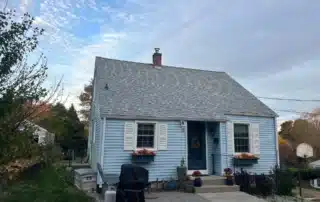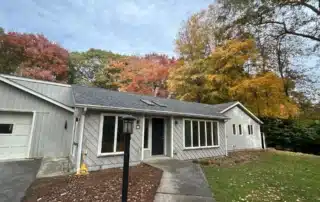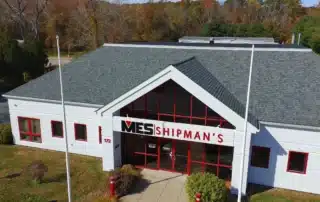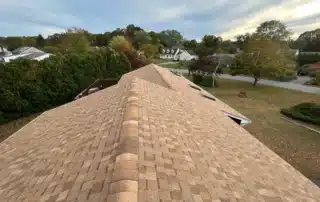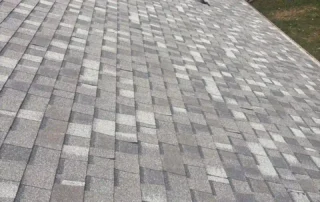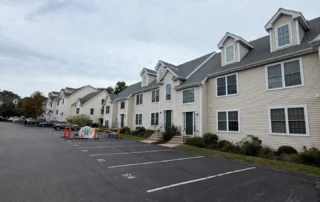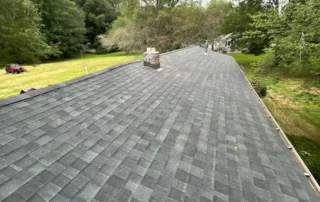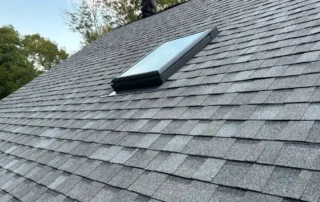
As October brings cooler weather to Waterford, CT, homeowners may want to pay closer attention to the condition of their roofing systems before winter arrives. A professional roof inspection can help identify visible deterioration, storm-related damage, moisture concerns, and other conditions that may require maintenance or repair.
For homeowners searching for a “roof inspector near me”, BP Builders provides roofing services in Waterford and can evaluate more than missing shingles alone. Here are several important areas that may deserve attention during a roof evaluation.
1. Overall Roof Condition: Beyond the Shingles
Missing shingles are one visible sign of roof damage, but they are not the only condition worth checking.
Depending on the roofing material and system, an inspection may look for:
- Missing or displaced roofing materials
- Cracked or curling shingles
- Blistering or other visible deterioration
- Excessive or uneven granule loss
- Areas affected by previous repairs
- Signs of storm or impact damage
- Biological growth or staining
Algae or other biological growth does not automatically mean that shingles are structurally damaged. Its significance depends on the roofing material, extent of growth, underlying conditions, and other factors.
A professional evaluation can help distinguish cosmetic concerns from conditions that may require maintenance or repair.
2. Flashing Integrity: Guard Against Leaks
Flashing is commonly installed around chimneys, vents, roof intersections, walls, and other areas where water needs to be directed away from vulnerable transitions or penetrations.
Damaged, deteriorated, displaced, or improperly installed flashing can potentially contribute to water intrusion.
During an inspection, these areas can be checked for visible deterioration and other conditions that may require attention.
Signs of Flashing Damage:
Possible warning signs include:
- Visible corrosion or deterioration
- Loose, bent, or displaced flashing
- Damaged sealant around applicable areas
- Gaps around roof penetrations
- Water stains or moisture near corresponding interior areas
Interior water stains do not necessarily confirm that flashing is the source of a leak. Water can travel through roofing and building materials, so further evaluation may be necessary to determine the actual source.
3. Gutter System: Proper Functionality
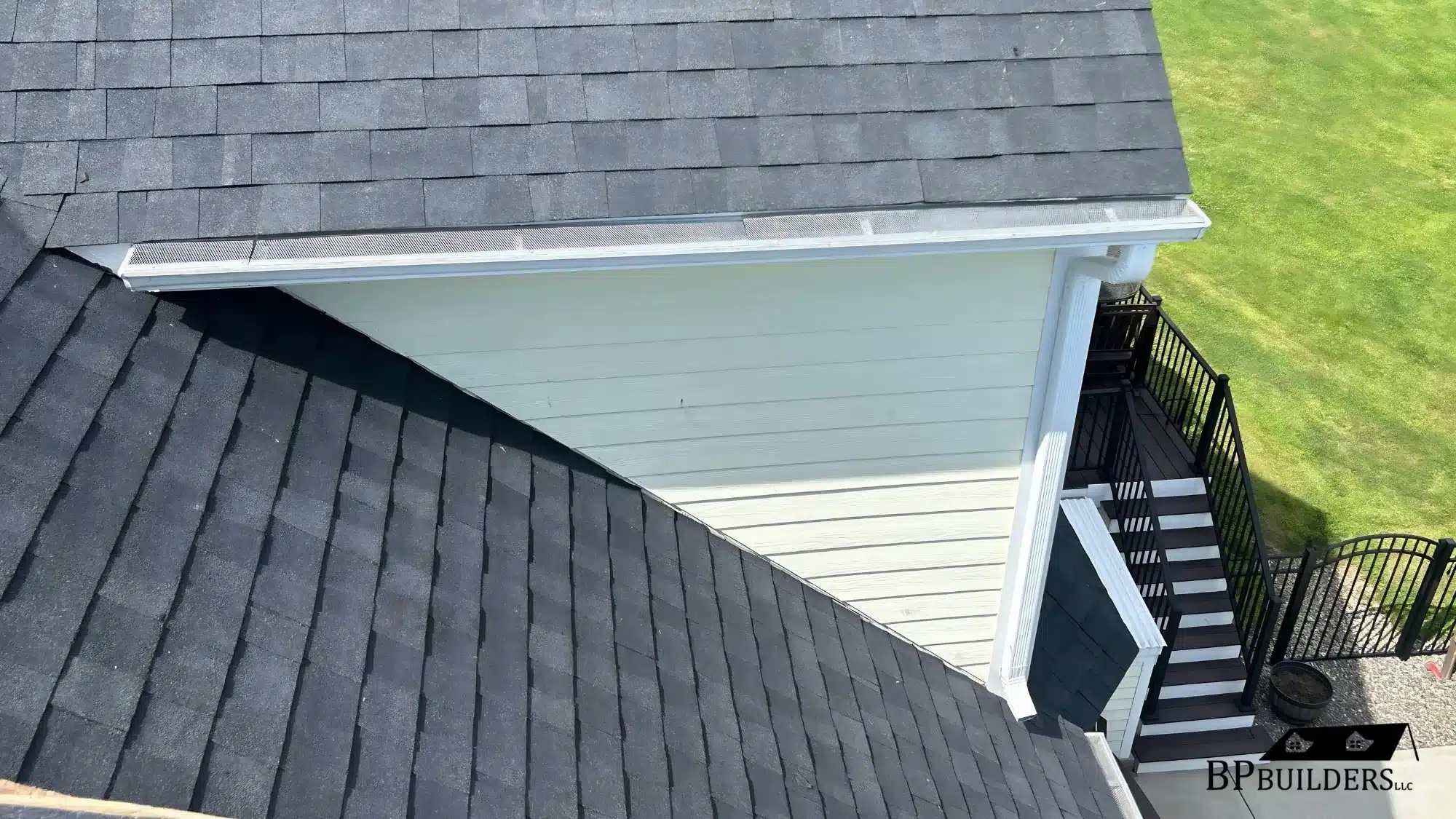
Gutters and downspouts help direct roof runoff away from the building. When they become clogged, damaged, loose, or improperly positioned, drainage may be affected.
When searching for a “roof inspector near me”, homeowners may also want to consider visible drainage conditions around the roofline.
Important areas to monitor include:
- Leaves, twigs, or other debris that may restrict drainage.
- Loose, sagging, or visibly damaged gutter sections.
- Downspouts that are disconnected or obstructed.
- Water overflowing during rainfall.
- Areas where drainage appears to collect close to the building.
Gutter and downspout conditions are only one part of the overall roofing and drainage system. Any work requiring roof access or work at significant heights should be approached with appropriate safety precautions.
4. Attic Conditions: Checking Ventilation and Moisture
When accessible and appropriate, attic conditions can provide useful information about what may be happening beneath the roof.
An evaluation may look for:
- Visible moisture or staining
- Signs of active or previous water intrusion
- Condensation
- Mold or mildew-like growth
- Damaged or displaced insulation
- Visible ventilation concerns
- Deterioration of accessible roof decking
Moisture in an attic does not automatically mean the roof is leaking. Condensation, plumbing, ventilation, indoor humidity, and other factors can also contribute.
Why Ventilation Matters:
Roof and attic ventilation is one component of the overall building system. Appropriate ventilation can help manage heat and moisture when designed and installed correctly.
Its performance depends on the roof design, insulation, air sealing, ventilation configuration, climate, and other building conditions.
Rather than assuming ventilation alone will prevent ice dams, mold, or energy loss, the entire attic and roofing system should be considered when investigating these concerns.
5. Roof Deck: Structural Soundness
The roof deck provides a surface supporting roofing materials and transfers loads to the building’s structural system.
Depending on accessibility and the type of inspection, professionals may look for indications of deterioration such as:
- Visible moisture damage
- Soft or deteriorated areas
- Sagging or uneven sections
- Signs of rot or decay
- Evidence of previous water intrusion
Not every part of the roof deck is visible during a standard inspection because roofing materials cover much of it. Additional damage may sometimes become apparent only when roofing materials are removed during repair or replacement.
If significant sagging or suspected structural deterioration is present, further evaluation may be necessary.
For homeowners searching for a “roof inspector near me”, evaluating these different parts of the roofing system can provide a more complete understanding of the roof’s current condition before deciding what work may be appropriate.
FAQs: Common Roofing Questions Answered
How often should I schedule a roof inspection?
There is no single inspection schedule appropriate for every roof. Inspection needs can depend on the roofing material, roof age and condition, manufacturer recommendations, previous repairs, and exposure to severe weather.
An inspection may also be appropriate after significant storms or whenever you notice leaks, missing roofing materials, visible deterioration, or other changes.
Will insurance cover roofing repairs?
Coverage depends on your individual insurance policy and the cause of the damage. Some policies may cover certain sudden or accidental losses, while deterioration, maintenance issues, exclusions, deductibles, and coverage limits can affect a claim.
Contact your insurance provider for information about your specific policy and claim requirements.
Do I need to be home during the inspection?
Requirements can vary depending on the property and scope of the inspection. Ask your roofing contractor whether interior or attic access will be necessary and whether someone needs to be present.
How long does a typical roof inspection take?
Inspection time varies based on the property’s size, roof configuration, accessibility, condition, inspection scope, and whether interior or attic areas are being evaluated.
Ask the roofing professional what to expect based on your particular property rather than relying on a standard timeframe.
What happens if an inspector finds roof damage?
Finding damage does not automatically mean the entire roof needs replacement. Depending on the roof’s condition and extent of the problem, recommendations may involve maintenance, localized repair, more extensive restoration, or replacement.
The inspection findings can help determine which options should be considered.
If cooler weather has you wondering about the condition of your roof, a professional evaluation can help identify visible concerns before deciding what action is needed.
If you’re searching for a “roof inspector near me” in Waterford, CT, contact BP Builders to discuss your roofing concerns, request an inspection, or receive an estimate for recommended roofing work.