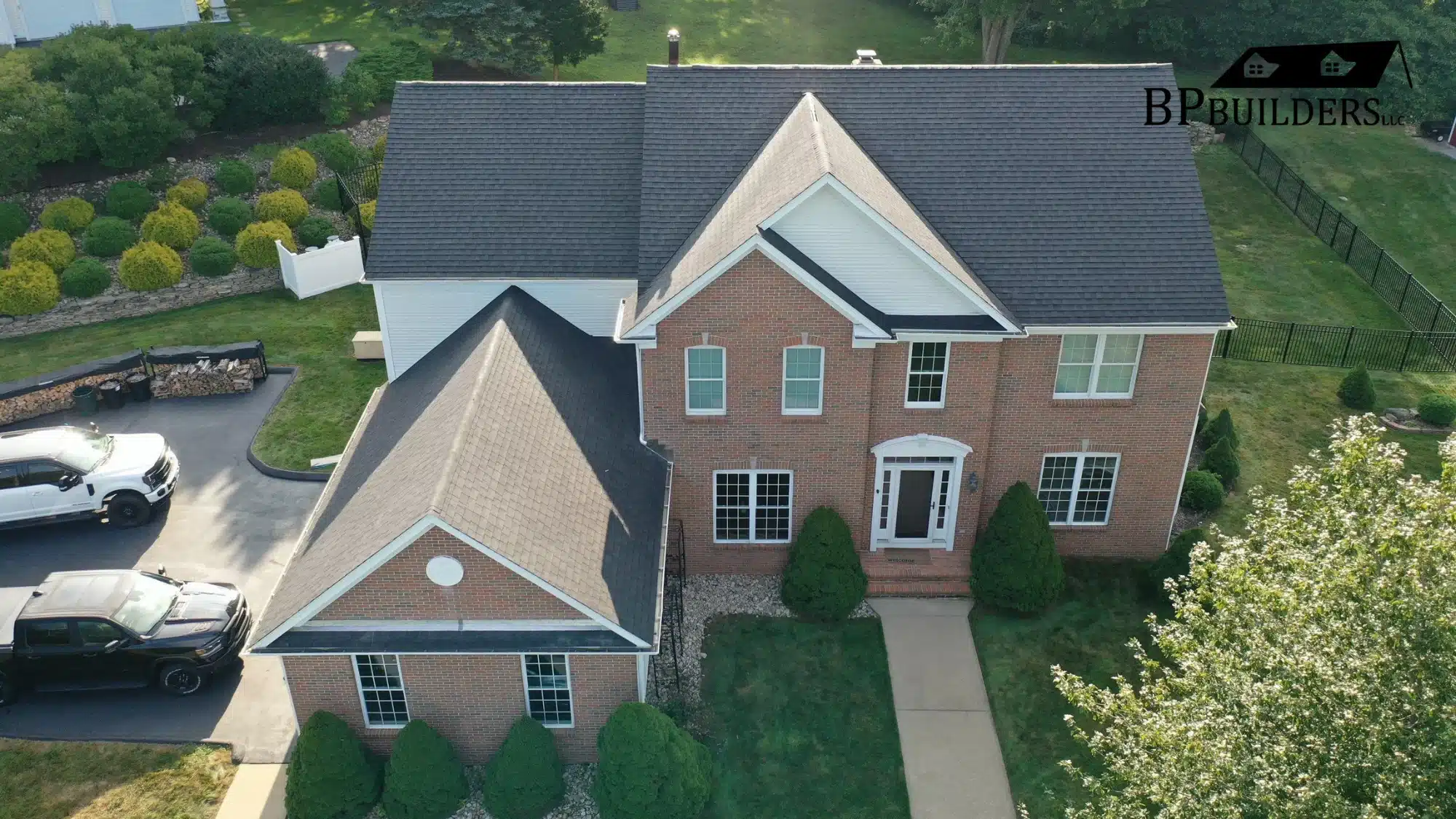
When planning a roof replacement in Waterford, Connecticut, choosing the right decking material is essential for long-term performance. BP Builders presents this comparison of plywood and OSB to help homeowners make an informed decision that aligns with local climate, budget, and installation standards. The primary question is not only which is cheaper, but which will maintain structural integrity and resist moisture-related issues over time.
Understanding Roofing Decking Materials
Roof decking provides the solid base for the roofing system itself. The two most common engineered options are plywood and oriented strand board (OSB). Plywood consists of multiple veneer layers glued together, offering good nail holding and rigidity. OSB is made from wood strands compressed with resin binders into uniform panels, delivering consistent strength and often lower material cost. In roofing projects, both materials can be used successfully when installed to code and paired with appropriate underlayment and ventilation. For readers considering a roof replacement in Waterford, Connecticut, it’s important to weigh these material traits in light of local weather patterns and maintenance expectations.
Plywood: Pros and Cons
Pros
- Strong nail holding and edge stability, which can aid in long-term fastener performance.
- Excellent rigidity, helping resist bending and sagging over time, with proper support.
- Wide availability of exterior-grade options (CDX, for example) suitable for roofing decks.
Cons
- Higher material cost compared with OSB.
- More susceptible to moisture-related warping or delamination if exposed to prolonged wet conditions without proper sealing and flashing.
- Requires careful handling during installation to avoid surface damage that can affect fastener seating.
OSB: Pros and Cons
Pros
- Generally lower upfront cost, making it attractive for budget-conscious projects.
- Uniform composition and thickness, which can simplify cutting and fitting.
- Good overall shear strength and stiffness for typical roof spans when properly installed.
Cons
- More sensitive to moisture exposure at edges; improper drying or leaks can lead to swelling and potential nail pop or surface irregularities.
- Edge swelling can occur if panels are exposed to moisture before the roofing system is fully sealed.
- Perceived durability concerns in some climates if not installed with appropriate moisture management and ventilation.
Which Material Offers Better Long-Term Performance?
The answer depends on installation quality, climate, and maintenance. In Waterford, Connecticut’s mix of humidity, seasonal freeze-thaw cycles, and coastal influences, both plywood and OSB can perform well when:
- The decking is exterior-rated for weather exposure and properly flashed.
- The roof is completed with high-quality underlayment and a durable shingle system or equivalent.
- Adequate ventilation and attic moisture control are maintained to minimize moisture buildup.
- Inspections are conducted after storms or heavy precipitation to catch any potential water intrusion early.
In general, plywood may edge out OSB for long-term moisture resilience in some installations due to wood’s natural properties and well-established exterior grades. However, modern high-grade OSB designed for exterior exposure can deliver comparable durability at a lower cost, especially in well-ventilated, well-sealed roof systems. For a roof replacement in Waterford, Connecticut, a professional assessment can determine which material aligns best with your roof design, budget, and expected lifespan.
Practical Buying Tips
- Verify exterior exposure ratings on the panel and select products labeled for roofing use.
- For typical 24-inch on-center (OC) roof spacing, common choices include 7/16″ OSB or 1/2″ plywood; thicker options (e.g., 5/8″) may be used in heavier-span designs.
- Check that fasteners and nails are compatible with the chosen decking (corrosion-resistant screws or nails appropriate for plywood or OSB).
- Ensure proper installation practices: adequate nailing patterns, edge spacing, sealing around penetrations, and comprehensive underlayment.
- Consider local climate and contractor recommendations; in Waterford, CT, moisture management and flashing details are critical.
Choosing between plywood and OSB for roof decking is a decision that should balance cost, installation practices, and climate considerations. BP Builders can assess your specific Waterford, Connecticut project, confirm code-compliant decking, and guide you toward the option that yields the best long-term performance for your home. If you’re looking for a roof replacement Waterford, Connecticut homeowners trust, contact BP Builders for a professional inspection, material guidance, and a transparent quote. Your roof is a critical investment—making an informed choice now helps protect your home for years to come.