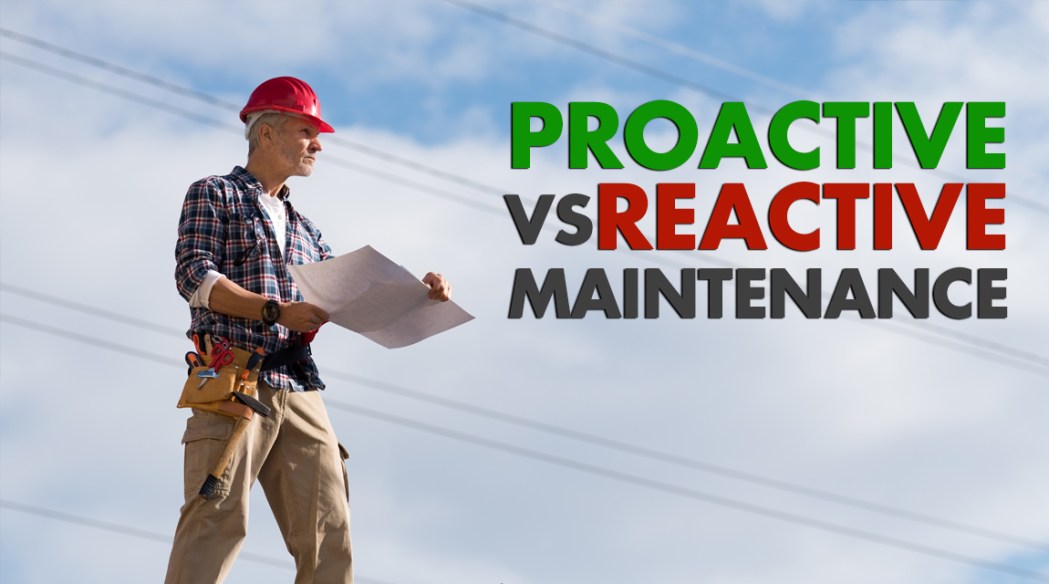
Everyday readers of roofing blogs and industry magazines may recognize a well-known argument in favor of proactive maintenance that has been featured in Buildings.com and Roofing Contractor. According to those reports, building owners and facility managers who routinely inspected and repaired their roofs were able to identify potential issues before they became costly problems. As a result, they spent significantly less per square foot each year on maintenance. In contrast, owners and managers who relied on reactive maintenance ended up spending considerably more annually per square foot. Additionally, roofs maintained through a proactive maintenance strategy lasted an average of eight years longer than those managed reactively.
Although the original reporting is quite dated, the core principles behind those findings are still worth examining. Instead of relying solely on old statistics, let’s explore the conditions that led to those results and determine whether proactive maintenance continues to be a smarter long-term strategy compared to reactive maintenance.
By reactive maintenance, we mean unscheduled work performed upon discovery of critical defects that may present an immediate threat of water intrusion into the building interior.
Proactive maintenance involves managing the roof as you would manage an asset like a computer network or a machine shop — with periodic inspections and scheduled repairs.
The goal of a proactive maintenance program is to anticipate problems that might prevent the roofing system from doing its job. In other words, you want to avoid “downtime.” Downtime can include disruptions in building use, lost use of space, or tenant complaints — all of which can result in lost revenue. Tenant complaints can also lead to incremental expenses such as lawsuits.
Even the slightest delay in roof repairs can expose the building to costly slip and fall incidents and mold and mildew problems. Once a roof has fallen into disrepair, the owner becomes exposed to expenses caused by excessive labor costs, destroyed inventory, higher energy costs, higher insurance premiums and damaged interiors. In addition, emergency repairs can cost anywhere from three to nine times as much as scheduled preventive repairs.
Be Proactive and Protect the Warranty
As Certainteed Roofing discussed in an earlier post, standard “No Dollar Limit” warranties require maintenance. The EverGuard® Diamond Pledge™ NDL Roof Guarantee, for instance, states, “You must perform regular inspections and maintenance and keep records of this work.”BP Builders is a Certainteed Certified Contractor and recommend regular maintenance by a roofing contractor. If you’re a building owner, implementing a proactive maintenance program is as logical as scheduling an engine oil change — the cost of not doing it is simply too high to ignore.
And if you’re a contractor who finds yourself fixing leaks on an emergency basis, it’s probably time talk to your clients about the value of proactive inspections.
For more on roof maintenance and the Certainteed Certified Maintenance Professional (CMP) program, check out:
Three Myths about Roof Maintenance
Generating Revenue with Commercial Roof Maintenance
Make a Roof Last with Maintenance
As seen on gaf.com
Call BP Builders
Are you looking for a roofing contractor in RI, roofing contractor CT or roofing contractor in MA, give BP Builders a call, a Certainteed Certified Roofing Contractor, to schedule your free inspection today.
For more information on our roof inspection and roofing services, stay in touch with BP Builders your CT roofing contractor, MA roofing contractor and RI roofing contractor.
The next time you’re searching for roofing companies near me, roofing contractors near me or roofing contractors ct, look no further then BP Builders. We would be happy to fix the problem. Call us now or fill out the form on this page.