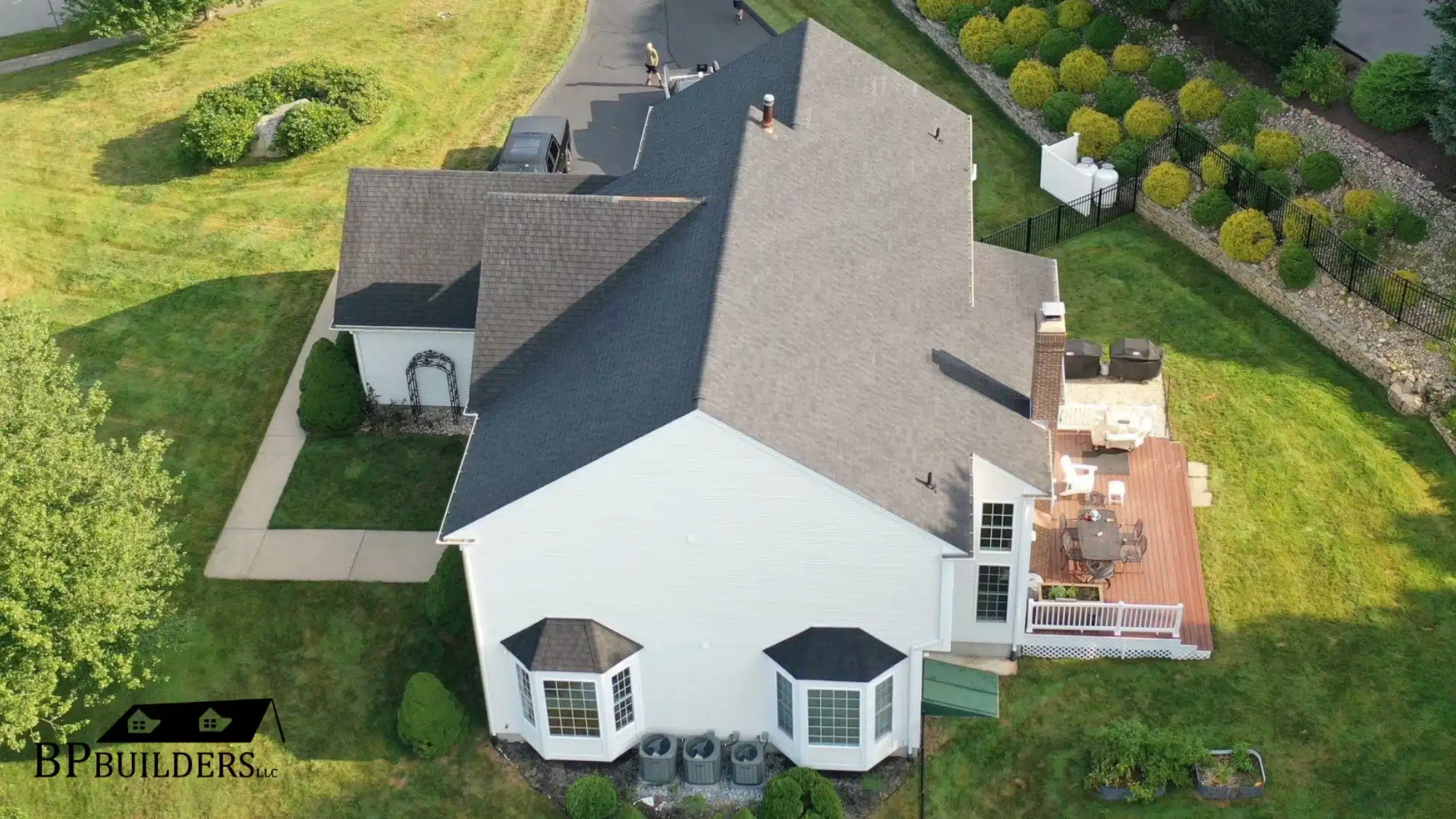
Stormy weather can test the resilience of both homes and commercial buildings. In Waterford, CT, severe storms—from Nor’easters to summer thunderstorms—can create a range of roofing issues. Understanding the most common types of storm damage helps property owners respond quickly and work with a trusted contractor for effective repairs. This overview summarizes typical damage, signs to look for, and practical next steps, including what BP Builders can offer for Storm Damage Roof Repair Waterford, CT.
Common storm damage types to know
- Wind damage: High winds can lift shingles, peel back flashing, and dislodge gutters. Look for missing granules on asphalt shingles, exposed underlayment, curling edges, or visible gaps at roof-to-wall transitions. Wind damage often leads to leaks after a rain event.
- Hail damage: Hailstones can dent metal surfaces and create impact marks on shingles. On asphalt shingles, hail may cause granule loss that accelerates aging and reduces weather resistance. In flat or metal roofs, dents and punctures can compromise the membrane.
- Water intrusion from wind-driven rain: Even a well-sealed roof can allow water entry when wind drives rain against vulnerable seams, penetrations, or damaged flashing. Signs include damp ceilings, staining, or musty odors in attic spaces.
- Ice damming and freeze–thaw cycles: In cold months, melting snow can refreeze at eaves, creating ice dams that back up water onto the roof and under shingles. This can lead to hidden roof deck damage and interior leaks.
- Falling trees and branches: Storms can topple trees or shed heavy branches onto roofing, causing punctures, cracks, or structural harm, as well as punctured gutters and vents.
- Snow load and ice accumulation: Prolonged heavy snowfall can stress the roof structure, especially on older or undersized roofs, potentially causing sagging, cracked seams, or fastener failure.
- Flashing and seam damage on flat or low-slope roofs: Commercial roofs with membranes (EPDM, TPO, or built-up roof systems) are prone to seam separation, punctures, or edge damage after storms, leading to localized leaks.
- Gutter and drainage problems: Blocked or damaged gutters can cause water to back up onto the roof edge, promoting water intrusion and fascia damage.
Residential vs. commercial considerations
- Materials and inspection focus: Residential roofs commonly use asphalt shingles, while commercial roofs may use membranes or metal systems. Inspections for commercial properties tend to emphasize membrane integrity, flashings around HVAC units, roof penetrations, and drainage plans.
- Insurance and documentation: Both markets benefit from thorough documentation of storm damage (photos, dates, and notes). For commercial clients, ensuring a documented scope aligned with insurance expectations can streamline claims and approvals.
- Timelines and permits: Roof repairs in either sector should consider permit requirements and contractor timelines. Commercial projects may require more formal project management and coordination to minimize business disruption.
What to do after a storm
- Inspect safely and document: Once it’s safe, conduct a basic exterior check from the ground for missing shingles, lifted flashing, or obvious punctures. Photograph damage from multiple angles for insurance claims.
- Protect and prevent: If possible, cover exposed areas with tarps or boards to halt further water intrusion. Avoid climbing onto a damaged roof yourself.
- Contact a licensed professional: For reliable assessment and repair, engage a licensed contractor with storm experience in Waterford CT. They can provide a written estimate, identify concealed damage, and develop a repair plan.
- Insurance coordination: Work with your insurer to file a claim and obtain guidance on preferred roof repair protocols. A contractor experienced in storm damage can assist with documentation and scope.
How BP Builders can help in Waterford CT
BP Builders offers comprehensive storm damage support for both residential and commercial roofs. From initial inspections and temporary protections to permanent repairs or full replacements, the team can assess, document, and remediate storm-related issues. They can also guide clients through the insurance process, obtain necessary permits, and provide clear, written estimates with a focus on quality workmanship and durability.
If you suspect roof damage after a storm in Waterford, CT, consider scheduling a professional evaluation. Storm Damage Roof Repair Waterford, CT is a common need following severe weather, and timely action can prevent further damage and protect your investment.
For a thorough assessment and reliable next steps, contact BP Builders today to arrange an inspection and discuss repair options. Taking prompt, professional action helps safeguard your property and restore peace of mind.