BP Builders provides an overview of the most common roof installation materials, highlighting how each option performs in typical climates, their durability, and what to consider before making a choice. If you’re searching for “roof installation company near me,” this guide can help you compare materials and discuss next steps with a professional.
Asphalt Shingles
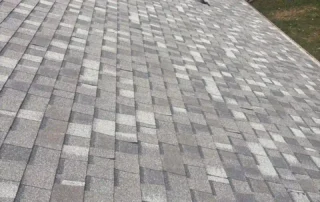
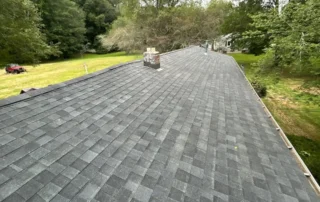
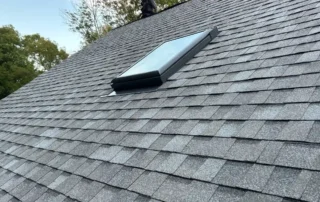
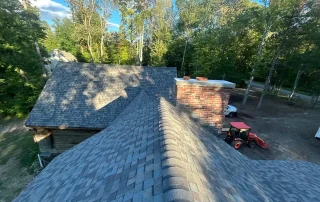
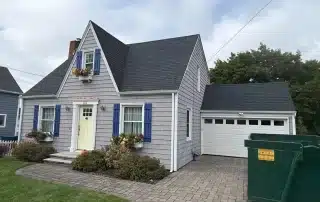
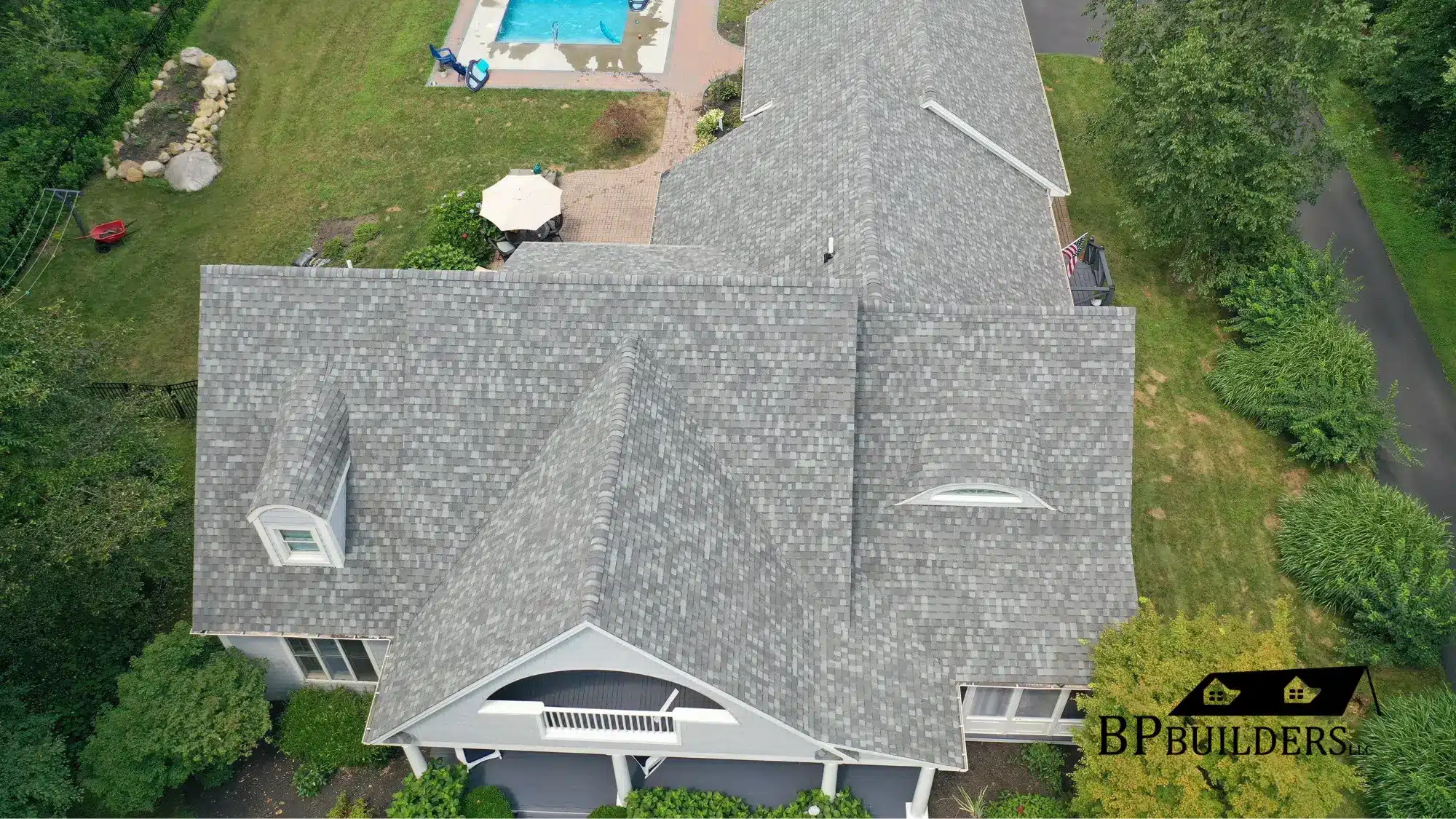
Asphalt shingles are the most widely used roofing material in many regions due to their balance of cost, performance, and ease of installation. Typical lifespans range from 15 to 30 years, depending on climate, installation quality, and the local environment. Advantages include a wide range of styles and colors, a relatively lightweight design, and straightforward replacement. They perform well in moderate climates and can handle periodic temperature swings. For those seeking an affordable, low-maintenance option, asphalt shingles are often the first choice. If you’re looking for a reliable option and you’re evaluating options with a local contractor, a roof installation company can help assess compatibility with your home’s structure and warranty terms.
Metal Roofing (Steel, Aluminum, or Coated Panels)
Metal roofing offers exceptional durability, with many systems lasting 40 to 70 years or more under proper maintenance. It provides excellent wind resistance and fire resistance, and modern metal roofs can reflect sunlight to improve energy efficiency. They’re lightweight relative to other long-lasting options, but installation requires skilled labor and careful fastening to manage expansion in temperature changes. Metal roofs tend to have a higher upfront cost than asphalt, but can offer long-term savings through durability and reduced maintenance. This material is well-suited to extreme weather, coastal environments, and occupants seeking a modern aesthetic. If you’re comparing options, a roof installation company can explain local weather considerations and warranty details.
Clay and Concrete Tiles
Clay and concrete tiles are valued for their longevity, fire resistance, and distinctive appearance. In hot, dry climates, they can help keep interiors cooler and have lifespans often estimated at 50 to over 100 years with proper maintenance. However, tiles are heavy and require a reinforced roof deck; structural upgrades may be necessary. They’re less suitable for regions with severe freeze–thaw cycles or significant hail risk unless a robust tile product and installation are used. Clay and concrete tiles are a strong option for residential or Mediterranean-style homes in appropriate climates. If you’re exploring this route, a roof installation company can help determine structural needs and insulation implications.
Slate Roofing
Slate is a premium, natural material known for exceptional durability, often lasting well beyond 100 years when installed and maintained properly. It is resistant to fire and weathering but is also very heavy and expensive, with installation requiring specialized skill. Slate roofs offer a classic appearance that can increase curb appeal but may necessitate structural reinforcement and careful ongoing maintenance. For historic or high-end homes, slate represents a long-term investment; a local roof installation company near you can advise on substrate compatibility and long-term maintenance planning.
Wood Shingles and Shakes
Wood shingles and shakes deliver a natural, rustic aesthetic. They typically provide 20 to 40 years of service, depending on climate, treatment, and maintenance. Wood requires regular inspections for moisture, rot, and insect damage, and carries a higher fire risk in some regions, making fire-rated or treated products worth considering. Proper ventilation and treatment extend performance, but in wet or humid climates, alternative materials may offer more predictable outcomes.
Synthetic Roofing Materials
Synthetic options (rubber, polymer, or composite) can mimic the look of slate, wood, or tile while offering high durability, lower weight, and often better resistance to impact and moisture. They generally provide good longevity and may come with extensive warranties. Quality varies by manufacturer, so it’s important to review product specifications, test data, and contractor recommendations. A knowledgeable roof installation company can help compare synthetic products and select the best match for climate and budget.
Buying Tips and Key Indicators of Quality
- Check warranties: material and labor warranties, coverage for workmanship, and transferability.
- Assess weight and structural requirements: heavier materials may require deck reinforcement.
- Evaluate climate suitability: some materials perform better in freeze–thaw or high-humidity regions.
- Look for reputable installers: improper installation can negate even the best materials.
- Inspect underlayment and ventilation: proper underlayment and attic ventilation improve performance.
Choosing the right roof material involves balancing cost, durability, climate, and aesthetics. If you’re looking for guidance or quotes, contact BP Builders. If you’re evaluating options and want professional input on installation methods, scheduling, and local codes, consider searching for “roof installation company near me“ to ensure your project adheres to standards and delivers long-term value. BP Builders stands ready to assess your needs, provide clear recommendations, and support a high-quality installation from inspection through completion. For accurate, professional assistance and an informed estimate, reach out today.