In Connecticut, commercial roofing services have evolved to address harsh weather, energy efficiency, and rapid response needs. For readers evaluating options, understanding the current landscape helps with smarter decisions about cost, performance, and long-term reliability. This article summarizes what businesses can expect from commercial roofing in CT today and how to choose the right partner for your property.
Modern Options for Commercial Roofs in CT
Connecticut’s climate—cold winters, potential ice buildup, and seasonal storms—drives the popularity of durable, weather-resistant systems. Common choices include:
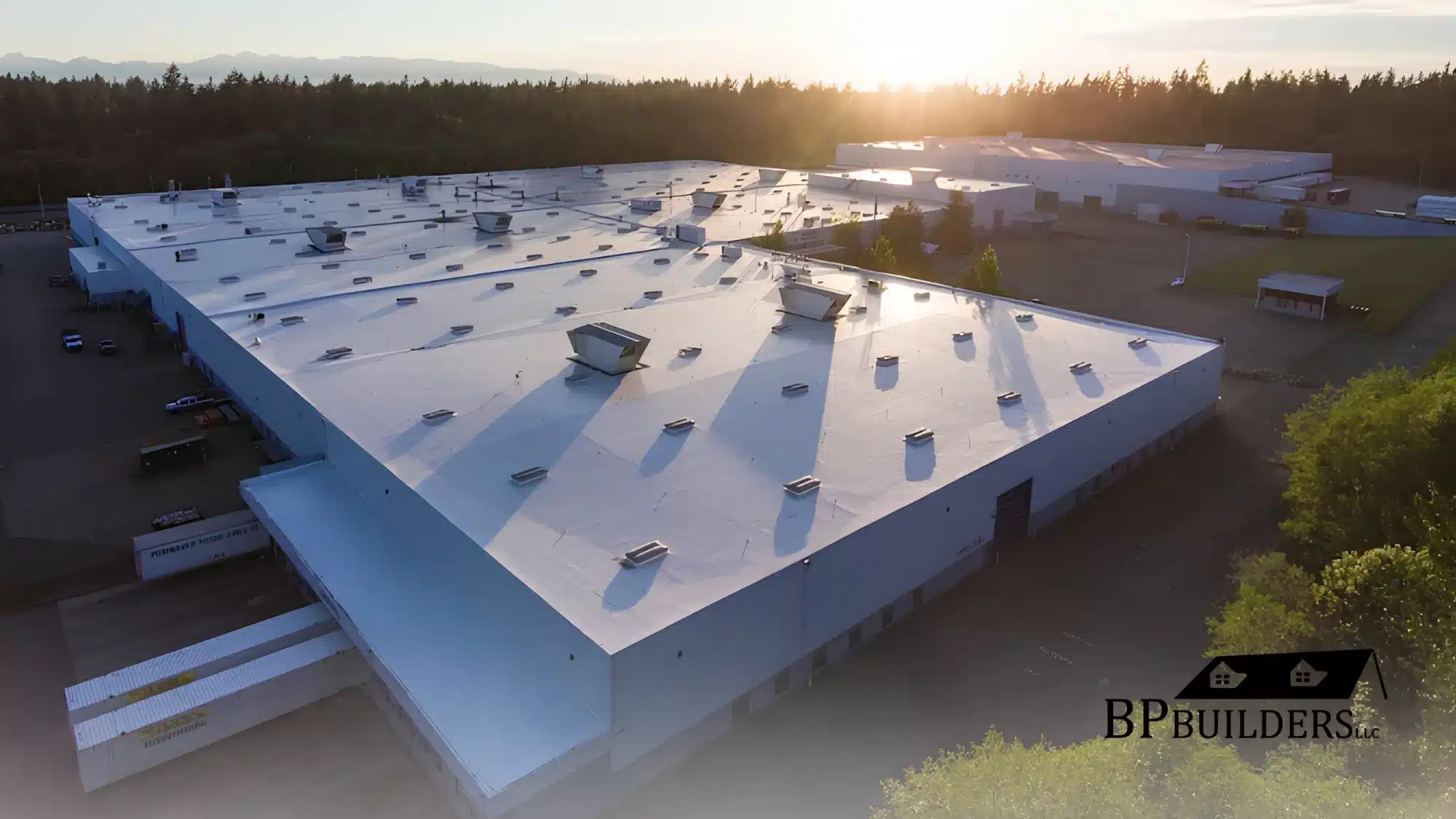
- TPO (thermoplastic olefin): A reflective membrane that helps reduce cooling costs and provides reliable seam strength.
- EPDM (ethylene propylene diene monomer): A durable rubber membrane known for flexibility and long service life.
- PVC (polyvinyl chloride): A robust option with excellent chemical resistance suitable for areas with rooftop equipment or harsh environments.
- Metal roofing: Steel or aluminum panels offering extended longevity, high impact resistance, and favorable maintenance profiles.
- Roof coatings and liquid-applied systems: Used to extend the life of existing roofs, improve waterproofing, and enhance energy performance.
- Innovative options: In some buildings, green roofs or solar integration are explored to optimize energy use and environmental impact.
Beyond membranes, many CT properties also emphasize proper insulation, vapor barriers, and ventilation to improve indoor comfort and energy efficiency. Businesses should expect experienced roofing teams to tailor system selection to building type, occupancy, and budget, while ensuring compatibility with existing structures.
Services You Should Expect from a Reputable Roofing Partner
- Comprehensive assessments: A qualified contractor should perform a thorough roof inspection, identify leaks, drainage issues, and flashing deficiencies, and deliver a documented report with prioritized recommendations.
- Preventive maintenance programs: Regular inspections, cleaning, and minor repairs to extend roof life and prevent costly failures.
- Emergency repairs and rapid response: Storms and ice can cause sudden damage; expect timely mobilization, temporary protections, and durable long-term fixes.
- Replacement and installation: When repairs aren’t cost-effective, a full or partial reroof may be recommended, with attention to material compatibility and venting.
- Waterproofing and drainage improvements: Addressing parapets, scuppers, gutters, and downspouts to eliminate standing water and ice damming.
- Insulation and energy upgrades: Upgrading insulation or adding reflective coatings to improve thermal performance and reduce operating costs.
- Safety and compliance: Adherence to OSHA standards, fall protection, and building code requirements during all phases of work.
Choosing a Commercial Roofing Partner in Connecticut
- Local expertise: CT weather patterns, snow loads, and seasonal challenges require a contractor with proven local project experience.
- Manufacturer certifications and warranties: Look for installers with manufacturer training and robust warranty terms on materials and workmanship.
- Transparent pricing and schedules: Clear estimates, defined scopes of work, and realistic timelines help minimize business disruption.
- References and portfolio: Request case studies or references from similar properties (e.g., warehouses, retail centers, office buildings) in Connecticut.
- Safety and insurance: Confirm adequate coverage, safety plans, and on-site supervision.
Buying Tips and Quality Indicators
- Material performance in CT conditions: Favor systems with high reflectivity, strong wind uplift ratings, and proven performance in cold climates.
- Warranties: Seek substantial warranties for both materials and labor, with clear terms on coverage and maintenance expectations.
- Installation quality: Verify that crews follow manufacturer guidelines, including proper insulation, flashing details, and seamless membrane transitions.
- Local support: A contractor with ongoing service capabilities in Connecticut reduces the risk of delays and ensures easier maintenance.
Next Steps with BP Builders
If you’re planning a commercial roofing project in Connecticut, BP Builders can help you navigate the options, assess your building’s needs, and develop a tailored plan that aligns with budget and performance goals. A professional evaluation can identify the best roof system for your property, outline a realistic timetable, and provide a transparent estimate. Contact BP Builders to schedule a no-obligation assessment and begin the process of securing a durable, energy-efficient roof for your business.
In summary, today’s commercial roofing landscape prioritizes durability, energy efficiency, and responsive service. By selecting a knowledgeable partner, prioritizing a thorough assessment, and understanding the available materials and warranties, Connecticut businesses can achieve reliable protection, lower operating costs, and a roof that stands up to the state’s climate for years to come.